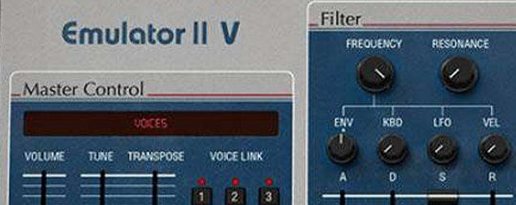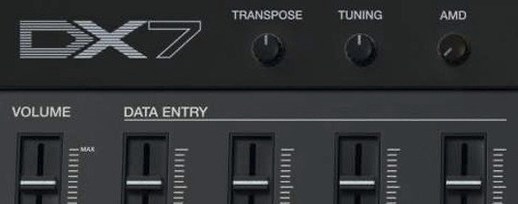
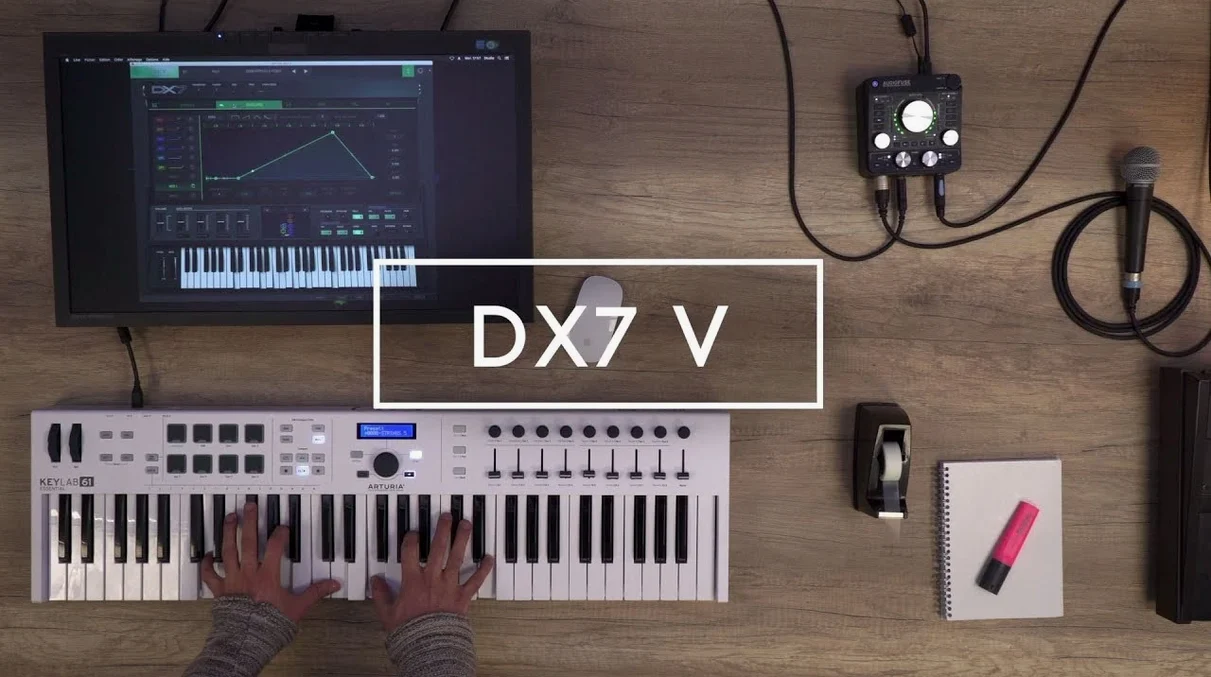
If you've ever pulled up a stock FM synth just to grab a bell or a grimy bass and call it a day, the DX7 V feels like getting handed the original hardware with a full pedalboard already wired in. It reproduces the DX7's original parameters faithfully, then wraps that engine in modern modulation, a mixing panel, and an effects section that make it far more useful in a busy session than a bare emulator would be.
- Keyboard and pluck tracks. The 432 factory presets span acoustic, synthetic, and mechanical libraries, so a playable electric piano or a sharp mallet sound is never more than a click away.
- Bass duties. Six operators with per-operator feedback and a multi-mode filter let you build weighty low-end patches that stay controlled in a mix without piling on extra processing.
- Pad and texture buses. Drop it on a bus and use the four FX slots in parallel for a wide, modulated wash. Running them in series tightens things up for a more focused ambient layer.
- Sound design from old cartridges. The SysEx import reads original DX7 banks, so dusty librarian files become starting points you can push further with the added DADSR and multi-segment envelopes.
- Movement on static stems. Route a vocal or guitar bus through its filter and envelope followers to add rhythmic, synth-driven motion that tracks the source material.
The modulation routing and effects slots mean you are not stuck treating it like a time capsule. It earns a spot on a track or a bus whenever a sound needs that distinct FM edge but still has to sit in a modern arrangement.
Swap an operator waveform to break free from sine-only patches
A few defaults make sense to tweak right after opening it. These small changes open up the sound much faster than scrolling through presets.
- Operator waveforms. The original DX7 stuck every operator to a sine wave. Switch one or two carriers to the saw or square waveforms and the tone shifts from polite to aggressive with almost no other work. The 25 waveforms per operator are the biggest departure from the hardware, and leaving them all on sine means you are ignoring half the synth.
- Feedback routing. By default, feedback behaves like the DX7's single operator loop. Dig into the per-operator feedback options instead. Putting a small amount on an odd-numbered operator gives you a clangorous edge that works well on plucks and mallets without needing extra processing.
- FX slot order. The four slots default to series routing. Flip them to parallel once, even on an init patch, so you can hear what a dry signal sounds like with chorus and delay hitting at the same time rather than one feeding the other. It makes a bigger difference on pads and keys than you would expect.
- Envelope type. The multi-segment envelopes are set to a standard DX7 shape on most presets. Switch one carrier envelope to DADSR and pull the delay segment up slightly. The delayed attack turns a stiff bell patch into something that breathes and works under vocals without fighting them.
Tip: Save an init patch with your preferred waveform mix and FX routing, then set it as the default. Every sound design session starts closer to where you actually end up.
Drag your dusty SysEx banks straight onto the interface
Does it actually load old DX7 SysEx banks, or is that just marketing? It reads them directly. Drag a SysEx file onto the interface and the patch data loads with the original algorithm assignments intact. From there you can swap waveforms, add effects, or change the envelopes without breaking the core timbre. The import is the quickest way to get from a dusty cartridge dump to a usable modern patch. If you are looking for an Arturia DX7 V crack, the SysEx compatibility is one of the reasons people seek it out, since old librarian files are plentiful online and the import handles them without fuss.
Will it choke on an older Mac? The minimum requirement is macOS 11.0, so any machine that runs Big Sur or later can handle it. The plug-in formats are 64-bit only, which means older 32-bit DAWs are out, but anything current works. Both Intel and Apple Silicon architectures are supported natively, so Rosetta is not required on M-series Macs. Those searching for an arturia dx7 v free download often check compatibility first, since nothing is more frustrating than getting a synth installed and watching it fail validation in a DAW.
Is it only useful for retro ‘80s sounds? That is the starting point, not the limit. The six operators, multi-mode filters, and modern waveform choices let you shape bass, pads, and percussion that do not scream vintage FM. The sequencer and arpeggiator push it further into territory the original hardware never touched. Even if you grabbed it via an arturia dx7 v vst free download just for nostalgia, the extra modulation and effects routing make it pull weight on contemporary productions without sounding like a period piece.
- macOS 11.0 or newer
- Runs on both Intel and Apple Silicon Macs
Questions from the stall
Can it load patches from a real Yamaha DX7?
Yes, the DX7 V supports original DX7 SysEx import, so you can bring in patches from old hardware or cartridge banks.
How many presets does it come with?
It includes 432 factory presets covering acoustic, synthetic, and mechanical sound libraries.
Does each operator have its own envelope?
Yes, each of the six operators offers DX7, DADSR, and multi-segment envelopes for detailed control.
Notes from other shops 0
Sign in or open a shop account to leave a note.
No notes yet. If you've used this on a shop Mac, tell me how it went.