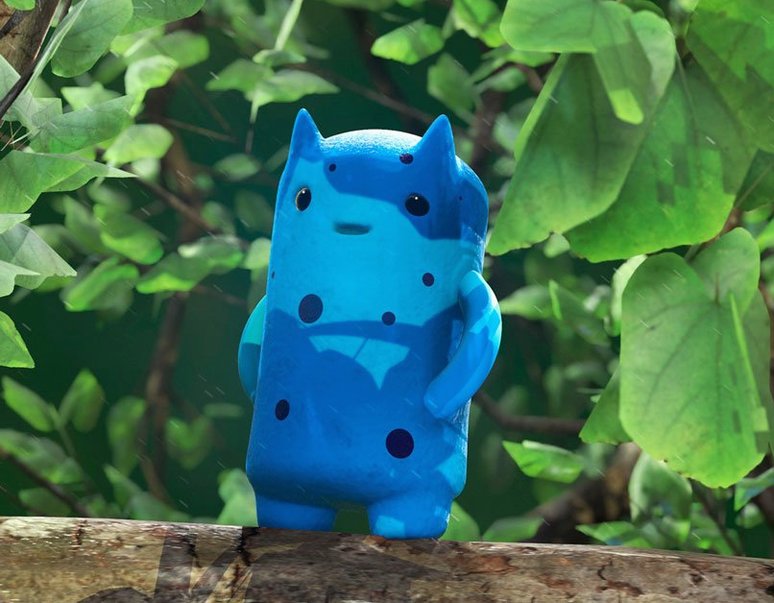

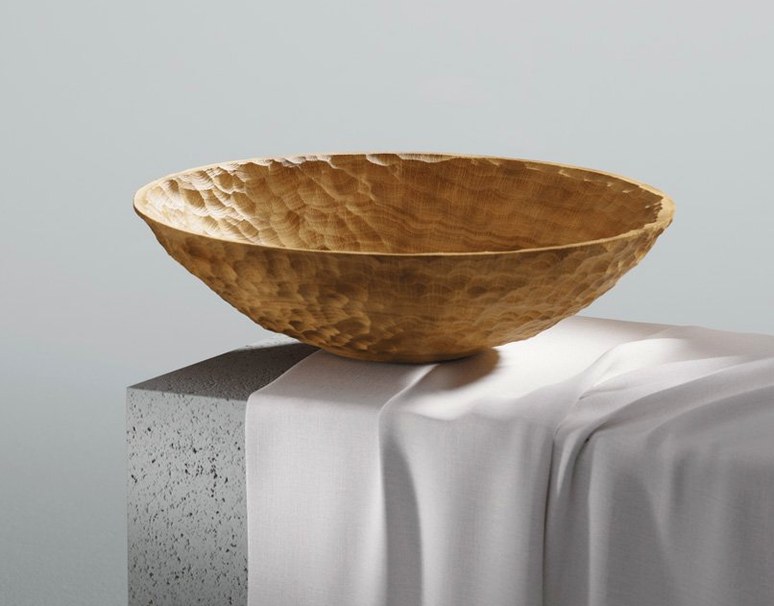

Game artists, film effects teams, clothing designers, and architects all turn to Adobe Substance 3D Painter when they need to paint textures directly onto a 3D model. It's the kind of tool that feels almost physical—you brush color and material across a mesh and see every stroke respond in a real-time viewport, with lighting and shadows reacting as you work.
| What | Details |
|---|---|
| Current version | 12.0.3 |
| Languages | English, German, French, Japanese, Simplified Chinese |
At its core, Painter is about non-destructive layering. Every brush stroke and material fill gets recorded as an action you can tweak later. Smart Materials adapt to the curves and edges of an object automatically—drop a rusted metal preset onto a sci-fi helmet, and the wear gathers naturally along the seams without manual masking. If you already have a collection of Photoshop brush sets, they import directly, which saves a ton of time for illustrators moving into 3D work. The resolution independence is a quiet lifesaver, too: you can start a project at one size and bump it up later with no quality loss. For anyone working with an Adobe Substance 3D Painter torrent on Apple Silicon, the current build runs natively and expects a solid setup with plenty of RAM and fast storage to keep that viewport smooth.
You don't need a full 3D pipeline to start texturing
One thing I hear a lot is whether Painter makes sense for someone who doesn't live inside a full 3D pipeline. The short answer is yes, but with a small caveat. You don't need to be a rigging expert or a modelling whiz—Painter is for the texturing stage, so you'll need a mesh to bring in. That mesh can come from Blender, Maya, Cinema 4D, or even a model you downloaded to practice on. The app doesn't model or sculpt; it assumes someone already built the shape. If you're curious about getting into game art or product visualisation but have never textured before, the learning curve is gentler than you'd expect because so much of it works like Photoshop layers with a 3D viewport attached.
Another common question is whether the Apple Silicon build actually delivers. It does. On an M1 Max or M2 machine with 32 GB of RAM, the viewport stays responsive even with multi-layer Smart Materials and path-traced previews running. You'll want that SSD with breathing room—30 GB minimum, but I'd leave more if you plan to keep a library of downloaded materials around.
Why painted-on colors fall flat without material layers
Beginners often treat every surface like a flat canvas. They'll grab a brush, pick a color, and start painting as if the model were paper. The result looks painted-on rather than part of the material. Smart Materials and fill layers exist precisely to avoid that look—they wrap around edges and settle into crevices. If you're painting by hand for every single wear mark and dirt streak, step back and ask whether a mask or a generator could do the heavy lifting first.
Another classic slip is ignoring the UV layout until it's too late. Painter can handle messy UVs better than older tools, but seams still show if the islands are poorly placed. Checking the UV preview early—before you spend an afternoon detailing a leather jacket—saves rework. Along the same lines, newcomers sometimes crank the document resolution to 4K on a simple prop that will never fill more than a few hundred pixels on screen. Higher resolution means larger files and slower bakes, so match the output size to where the asset actually lives.
Finally, there's the temptation to stack a dozen Smart Materials on top of each other and wonder why the viewport lags. Each one carries its own set of generators and masks. Two or three well-tuned materials with custom mask adjustments almost always look better than eight fighting for attention.
Swap the viewport environment for truer material previews
Out of the box, a few quick tweaks make the workspace feel more like your own. I'd start with the environment map for the viewport. The default studio lighting is fine for general work, but swapping to an outdoor or high-contrast HDRI reveals details you'd otherwise miss—especially metallic and rough surfaces. You'll find the environment settings under the viewport's display options, and you can drop in your own .hdr files if you have favorites.
Next, check the baking options before you import your first mesh. Painter will auto-bake mesh maps when you create a new project, and the default ray distance and anti-aliasing settings are conservative. If you're working on a dense, detailed model, bumping the samples up a notch and adjusting the max frontal distance avoids soft artifacts in the curvature and ambient occlusion maps. Those maps drive the Smart Materials, so sharp bakes mean better automatic edge wear right from the first material you drop on.
The color profile is another one that sneaks past people. By default, Painter uses its own internal working space, but if you're exporting textures for Unity, Unreal Engine, or a specific renderer, matching the color management to that target early prevents the textures looking washed out or over-saturated when they leave Painter. It's a small setting tucked in the project configuration panel, and it's easy to forget until you see your work in-engine and wonder what shifted.
Mari, Blender, and old torrent builds as Mac alternatives
When people try to texture on a Mac without Painter, they usually land on one of three alternatives: Mari, Blender's texture paint workspace, or the older Substance Painter torrent builds that still float around. All three have their place, but they solve different problems.
Mari is the heavyweight champion for film studios dealing with enormous UDIM tilesets. It handles massive textures—think 32K across dozens of tiles—with a node graph that gives you enormous control over layering and channel management. The trade-off is complexity. Mari assumes you're a texture artist on a production team; it doesn't hold your hand with Smart Materials or auto-adapting masks. Painter's real-time feedback and preset-driven approach make it much quicker for look development, game assets, and solo work. If you're not texturing a hero creature for a VFX house, Mari feels like overkill.
Blender's built-in texture painting keeps getting better, and for artists already modelling in Blender it's the frictionless choice—no export, no import, just paint. It supports layers, stencils, and basic brush customization. What it doesn't have is the library of Smart Materials, the particle brushes, or the non-destructive generator system that let Painter artists iterate without repainting. Blender's painting is solid for touch-ups and simple textures; Painter pulls ahead when you need an asset to look production-ready with minimal manual brushwork.
For someone searching for a substance torrent or adobe substance 3d painter torrent on Apple Silicon, the important distinction is that older cracked builds were Intel-only and often ran through Rosetta with stability hiccups. The current version, compiled for ARM, uses the GPU and memory subsystem properly. If you're on a Mac and seeing a substance painter mac crack or substance painter download torrent, the native Apple Silicon version is what you want for reliable viewport performance—the older Intel builds don't hold up well on M-series chips.
This maintenance release tidies up baking tasks, layer stack quirks, and a handful of export snags.
- macOS 12 (Monterey) or later
- Runs natively on Apple Silicon
Questions from the stall
What industries use Substance 3D Painter the most?
It's widely used in game production, film effects, product design, clothing visualization, and architectural rendering—anywhere texturing a 3D mesh matters.
Can I use my Photoshop brushes in Substance Painter?
Yes, the software supports importing Photoshop brush sets directly, so you can paint with familiar tools on your 3D models.
Notes from other shops 0
Sign in or open a shop account to leave a note.
No notes yet. If you've used this on a shop Mac, tell me how it went.